
In high-pressure pumping applications, durability is determined by more than material strength or the size of a component. How that component is engineered and manufactured can have a significant impact on how it performs after thousands or millions of pressure cycles.
That is particularly important for fluid ends and drilling pump modules, where internal components are repeatedly subjected to extreme pressures and cyclic loading. Over time, those forces can contribute to fatigue and crack initiation in highly stressed areas.
At GD Energy Products (GDEP), autofrettage is an important part of how we manufacture fluid ends and modules to withstand these demanding operating conditions. By intentionally creating beneficial residual stresses within the component, the autofrettage process helps improve fatigue resistance and supports longer, more reliable service.
Autofrettage is a manufacturing process in which a pressure-containing component is subjected to controlled internal pressure above its normal operating pressure.
The pressure is high enough to intentionally produce a controlled amount of plastic deformation in specific areas of the component, while the surrounding material remains elastic. When the pressure is removed, the elastic material attempts to return to its original state.
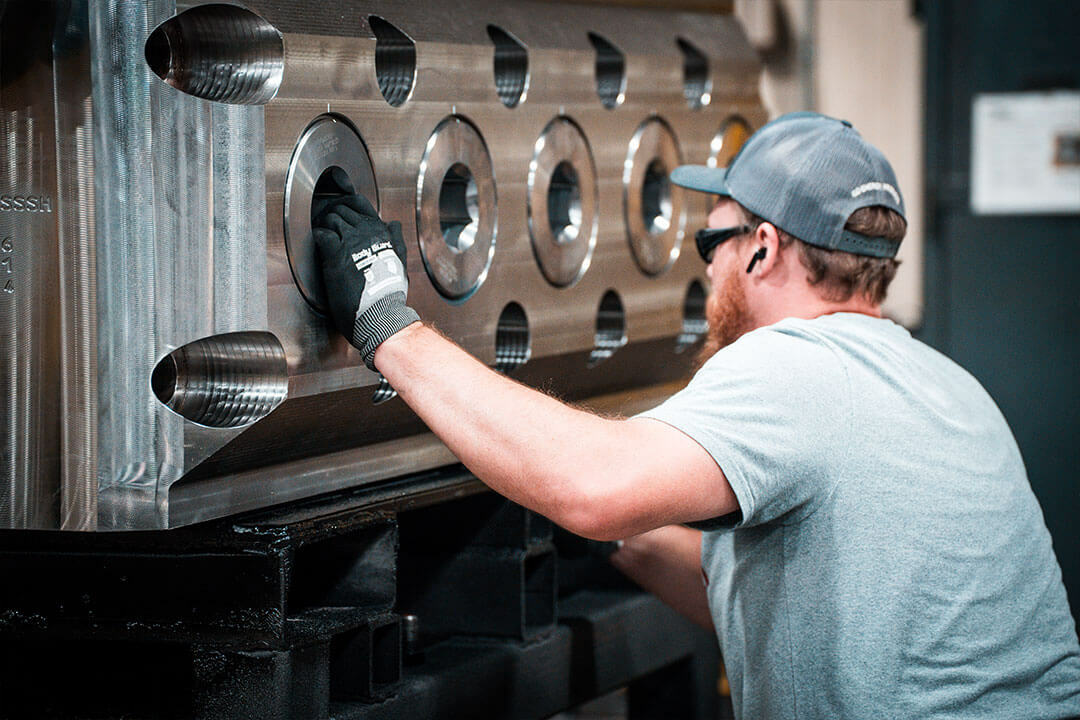
The result is a beneficial pattern of residual compressive stress along critical internal surfaces.
This matters because the internal pressure experienced during normal pump operation creates tensile stresses in many of these same areas. The compressive stresses introduced through autofrettage help offset a portion of those operating stresses.
Put simply, autofrettage prepares the component to better withstand cyclic pressure loads, reduces the impact of fatigue caused by repeated pressure cycles, and improves the component’s durability and resistance to fatigue-related failures.
Fluid ends and modules, under normal operation, are exposed to extreme dynamic loading from the alternating suction and discharge pressure cycles.
Every pressure cycle places stress on the material. Areas where geometry changes, bores intersect, or internal pressure creates concentrated loads can be particularly susceptible to fatigue.
Cracks tend to initiate and propagate when continuous fatigue eventually weakens the material. By introducing compressive residual stress into critical areas, autofrettage helps build the resistance to lower the fatigue.
That can provide several important advantages:
For customers, these benefits ultimately come back to one objective: Longer component life.
Material selection is important, but starting with high-quality material is only part of the equation.
The performance of a high-pressure component is influenced by the entire manufacturing process, including forging, heat treatment, machining, internal geometry, surface condition, quality control and the way residual stresses are managed.
This is where manufacturing expertise becomes a meaningful differentiator.
GDEP combines individually forged, heat-treated alloy steel with engineered internal geometries and proprietary manufacturing processes, including autofrettage, to produce components designed specifically for severe cyclic-pressure applications.
Autofrettage is not simply an additional manufacturing step. The pressure, process controls and understanding of how the material and geometry respond must work together to create the desired residual stress profile without compromising the component.
That requires experience in both product engineering and manufacturing.
A pressure rating tells only part of the story.
Two components may be designed for the same operating pressure while performing differently over their service lives. The more meaningful question is how well the component manages the repeated stresses associated with thousands or millions of pressure cycles.
This distinction becomes increasingly important as drilling and pressure pumping applications push equipment to higher pressures, longer operating hours and more demanding duty cycles.
GDEP engineers pressure-containing components with cyclic loading in mind. Autofrettage works together with material selection, and optimized geometry, to address the stresses that can ultimately limit component life.
Rather than relying on a single design feature, GDEP approaches durability as a complete system.
For operators and service companies, premature fatigue failures can mean more than the cost of replacing a component. They can result in unplanned downtime, additional labor, repair activity and disruption to operations.
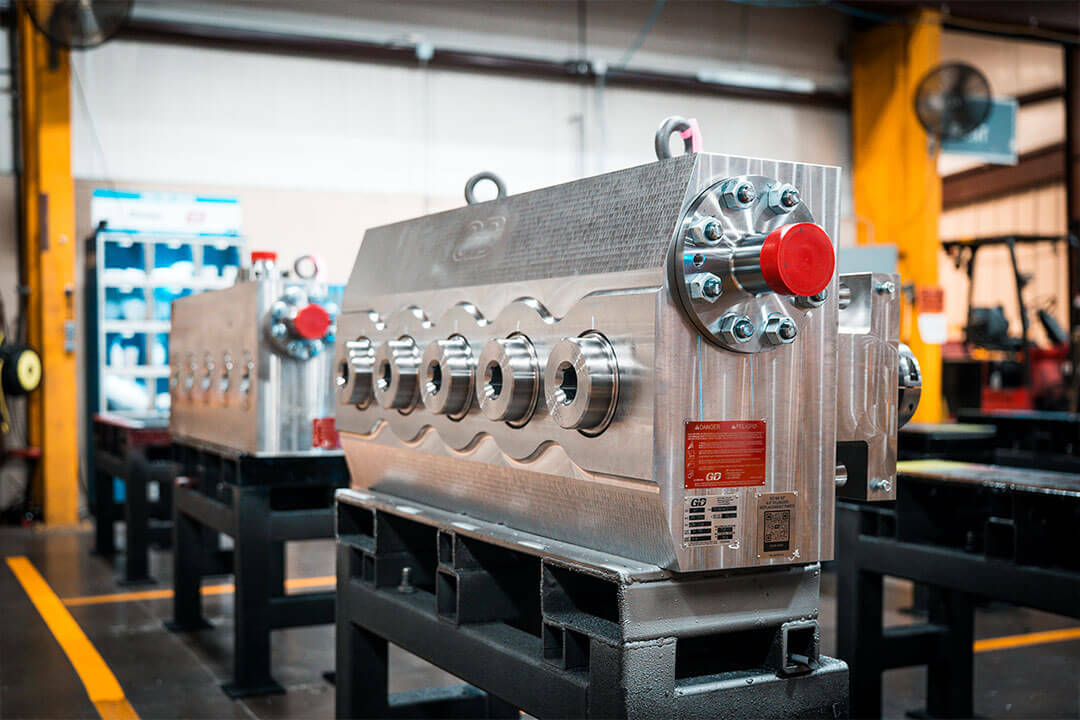
Reducing those risks begins long before the equipment reaches the field.
Through controlled manufacturing processes such as autofrettage, GDEP engineers durability into its products from the beginning. The objective is not simply to manufacture a component capable of containing pressure. It is to manufacture one designed to withstand the repeated pressure cycles of demanding field operation.
That difference may not always be visible from the outside, but it can become increasingly important over the life of the product.
When high-pressure equipment is expected to perform day after day, how it is made matters just as much as what it is made from.
